How to Price Mobile Sauna Hire
There are two ways to charge for a mobile sauna, and most successful operators do both: sell individual sessions (per-person communal slots, the way most public sauna events work) and hire out the whole unit (a flat rate for a private group, party, retreat or event). The right price isn’t a number you copy from someone else — it’s the one that covers your real cost per session and leaves a margin at the level of demand you can realistically fill. This guide shows you how to build that number.
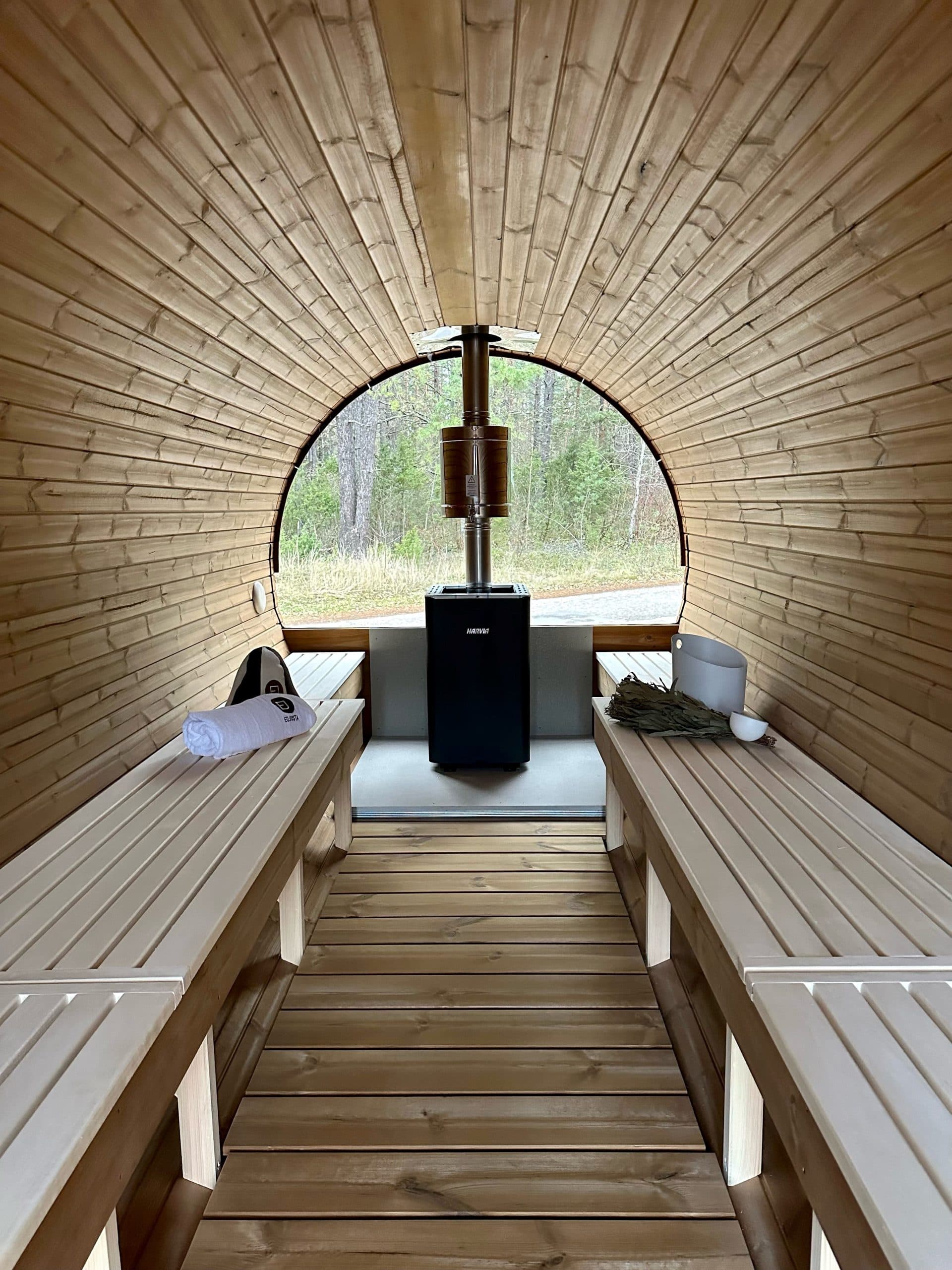
The two models
Per-person sessions. You run the sauna at a location and sell timed communal slots — say 45–60 minutes — at a price per head. This suits beaches, regular pop-ups and events with footfall. Revenue is capacity × price × how full you run, so utilisation is everything.
Whole-unit private hire. You charge one flat rate for exclusive use — a private group books the sauna for a block of time, or a venue/retreat hires it for a day or weekend. This is simpler to sell, higher value per booking, and popular for parties, corporate days and wellness events. You can also hire the unit out to other operators if you’d rather not run sessions yourself.
Build your price from your costs
Whatever you charge, work upward from what a session actually costs you. The build itself starts from £12,000, but for pricing it’s the running costs per session that matter:
- Fuel to tow to and from the site
- Wood or electricity to heat the sauna for the session
- Your time (or staff wages) setting up, running and packing down
- Pitch or site fees charged by the event, beach or landowner
- Insurance, maintenance and the unit’s wear spread across sessions
- Booking and card fees, marketing
Add those up for a typical session, decide the margin you want, and you have a floor price. Then sense-check it against what your local market and setting will bear — a premium retreat or a busy festival supports more than a quiet weekday slot.
What moves the price up
Location and affluence, whether it’s private or communal, session length, and peak demand all push prices higher. Mobile saunas are counter-seasonal in the best way — cold, dark months and event season are your peaks — so it’s normal to charge more for winter weekends, festival pitches and private bookings than for an off-peak communal slot.
Don’t underprice the private bookings
The common mistake is setting one modest per-person price and applying the same logic to private hire. A private group booking out the whole unit is buying exclusivity and convenience — price that on the value to them, not on a head-count. Many operators find whole-unit and event hire is where the healthier margins are.
To see how pricing feeds into the overall picture, read the mobile sauna business earnings and costs guide, and make sure you’ve sorted where you can operate and insurance before you take your first booking.