How to Start a Mobile Sauna Business in the UK
To start a mobile sauna business in the UK you need a road-legal mobile sauna trailer, a suitable tow vehicle and the correct driving licence, the right insurance and site permissions, and a plan for getting bookings. The biggest single cost is the sauna trailer itself, which is typically made to order.
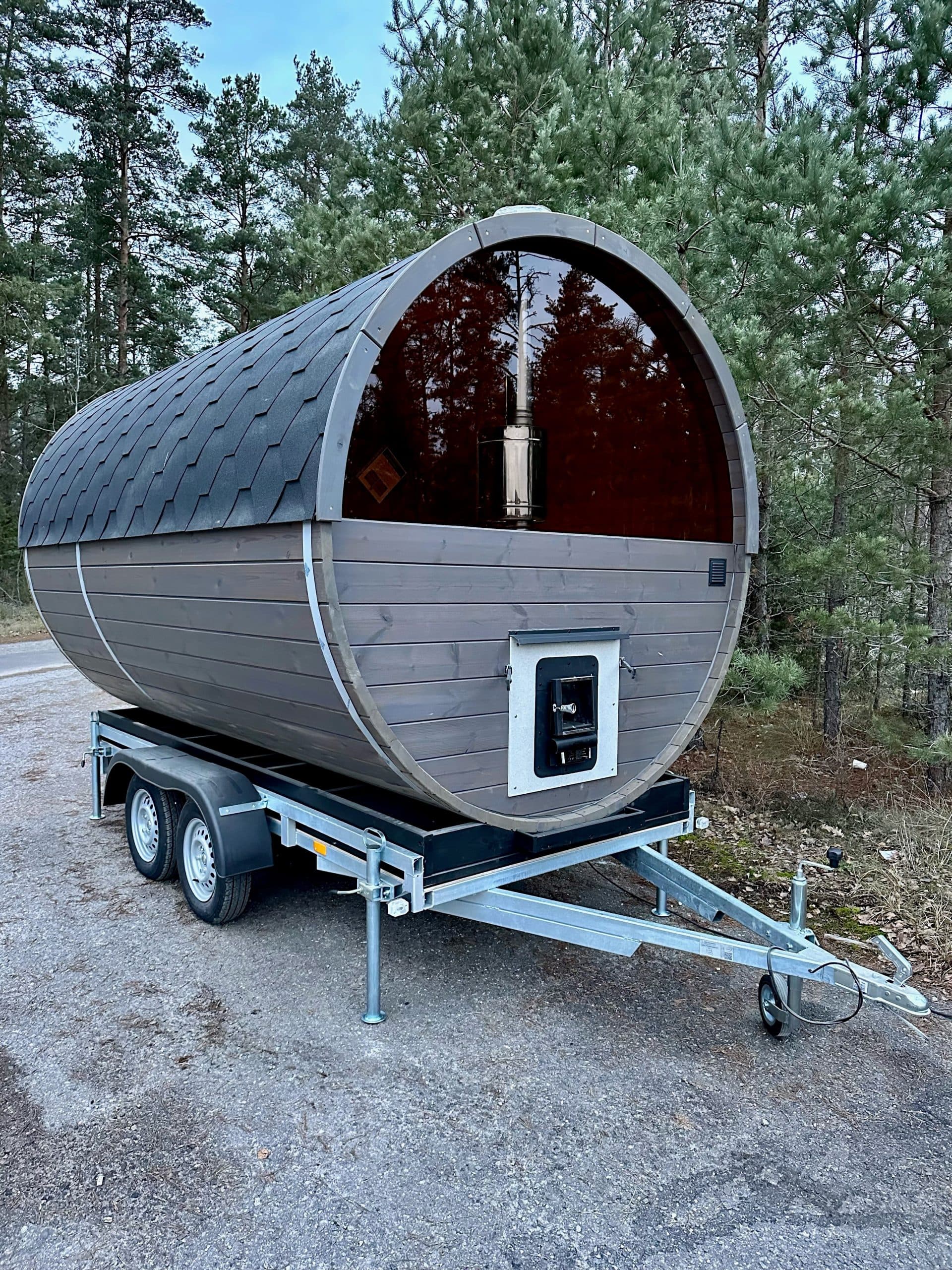
The opportunity
Sauna culture has moved firmly into the British mainstream. Cold-water dipping, contrast therapy and community sauna sessions have gone from niche to normal, and people increasingly want an authentic experience rather than a gym’s tiled box. A mobile sauna meets that demand by going to where the customers already are — a festival, a beach car park, a triathlon, a wellness retreat or a regular weekly pop-up.
The appeal for a new operator is the low barrier to entry. There’s no premises to rent and no fit-out: your sauna is your business, and you can run it part-time around other work until the bookings justify going full-time. That said, it is a real business — the saunas that thrive are the ones with a clear location strategy and consistent marketing behind them.
1. Choose your sauna
Your sauna is the asset the whole business runs on, so it’s worth getting right. The main decisions are size, heater type and how it’s built. A compact 2–4 person unit is nimble and cheap to heat; a larger 6–8 person commercial unit earns more per session but needs a more capable tow vehicle.
On heating, wood-fired saunas deliver the authentic experience customers pay for and work completely off-grid — ideal for beaches and fields with no power. Electric heaters are simpler to run where a hook-up is available. Because every sauna we build is made to order, you specify the size, timber, heater and layout to match how you’ll actually use it. Not sure which heater? Our wood-fired vs electric guide weighs it up. See what goes into a bespoke build.
2. Sort your tow vehicle & licence
A mobile sauna only works if you can legally and safely tow it. Since December 2021, anyone holding a full Category B (car) licence in Great Britain can tow a trailer up to 3,500kg, so most operators are covered without an additional test. What matters just as much is your vehicle’s towing capacity and the loaded weight of the sauna — never assume, always check the figures.
We cover this in full, including braked vs unbraked trailers and the road-legal essentials, in our towing and licensing guide. Confirm the current DVLA rules before you commit to a vehicle or a build.
3. Insurance & permissions
At a minimum you’ll want public liability insurance, plus cover for the trailer itself in transit and at rest. If you take staff on, employer’s liability becomes a legal requirement. Speak to an insurer familiar with mobile or events-based businesses rather than assuming a standard policy covers you — our mobile sauna insurance guide breaks down exactly what cover you need.
Just as important is permission to operate. You’ll need the landowner’s or event organiser’s agreement for every site, and some councils or beaches have their own rules about trading and fires — see where you can operate a mobile sauna for the permissions each setting needs. Sort this before you advertise a location.
4. Where to operate
- Festivals and events — high footfall, often booked months ahead
- Beaches and coastal spots — natural fit for the cold-and-heat ritual
- Wellness retreats and yoga events — a complementary add-on for organisers
- Sporting events — recovery for runners, cyclists and triathletes
- Private hire — birthdays, stag and hen groups, corporate days
- Regular weekly pop-ups — a fixed spot that builds a loyal local following
A mix tends to work best: anchor your week with a reliable regular location, then add higher-paying events and private bookings around it.
5. Pricing & revenue streams
Most operators charge either per-person session slots (for pop-ups and events) or a flat hourly or daily rate for private and corporate hire. Memberships and multi-session packages help smooth out income and build repeat custom. The right price depends on your area, your costs and what comparable experiences charge locally — our guide to pricing mobile sauna hire gives you a costing framework to work from.
6. Marketing & getting your first bookings
A mobile sauna is highly visual, which plays perfectly to Instagram, TikTok and local Facebook groups — steam by the sea sells itself. Get a simple booking page live early so people can reserve a slot without messaging you. Partnering with event organisers, gyms, run clubs and retreat hosts is often the fastest route to a full calendar in the first season.
7. Costs to budget for
Beyond the sauna trailer (made to order, from £12,000), plan for a capable tow vehicle, insurance, fuel and wood or electricity, plus a little for branding, a website and booking software. Our cost guide breaks down what affects the price of the build and the running costs to expect.