The UK Mobile Sauna Market in 2026: Demand & Trends
If you are weighing up a mobile sauna business, the obvious question is whether the demand is real or just a passing trend. The data points one way: saunas have moved from a niche spa add-on to a mainstream part of how Britain does wellness — and the outdoor, mobile end of the market is where a lot of the growth is happening.
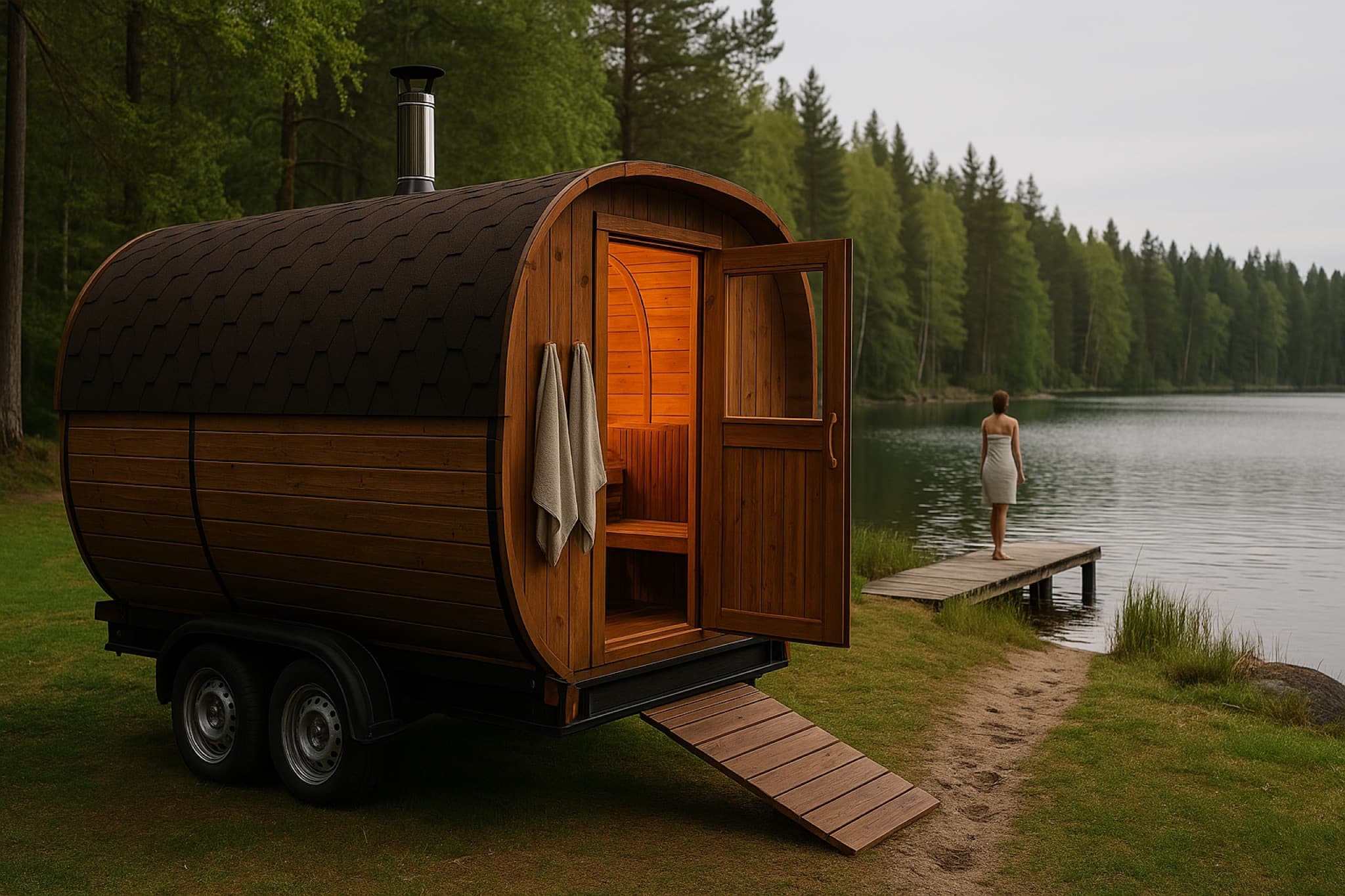
A market that keeps growing
The UK sauna market has been expanding steadily. Analysts at Grand View Research estimate it will grow at roughly 7% a year through to 2030, building on a market worth tens of millions of pounds today. Globally, the same researchers put the sauna market on track to climb from around $950 million in 2025 to roughly $1.5 billion by 2033, with Europe holding the largest regional share.
That sits inside a much bigger story. According to the Global Wellness Institute, the UK has been the fastest-growing wellness market in the world, with the sector expanding well beyond its pre-pandemic size. Saunas — and heat-and-cold “contrast therapy” in particular — have become one of its most visible expressions.
The wild-sauna boom
The most striking shift is outdoors. Britain’s “wild” or community sauna scene has grown extraordinarily fast. The British Sauna Society has reported that the number of public saunas in Britain more than doubled in about two years — from roughly 45 in 2023 to over 200 by mid-2025 — many of them by lakes, beaches and rivers, paired with cold-water dips.
This is the part of the market a mobile sauna is built for. Wild and community saunas thrive on location, atmosphere and the social ritual of heat and cold — exactly what a well-built mobile unit delivers, without the cost and commitment of permanent premises.
What is driving the demand
A few forces are pulling in the same direction:
- Health and recovery. Growing public awareness of the benefits associated with regular sauna use — relaxation, circulation, recovery — has moved saunas from luxury to routine for many people.
- Sober-curious socialising. Saunas have become a place to gather and connect that does not revolve around alcohol, which resonates strongly with younger adults.
- The outdoors and contrast therapy. Cold-water swimming and wild swimming surged, and a hot sauna is its natural partner — beaches, lakes and rivers are now sauna destinations.
- Experiences over things. Events, festivals, retreats and private gatherings are all looking for memorable add-ons, and a sauna on site is exactly that.
Why mobile, specifically
A mobile sauna’s advantage is that it meets demand where it already exists rather than waiting for customers to come to a fixed site. It can serve a coastal swim group on Saturday, a wedding on Sunday and a corporate wellness day midweek. That flexibility — low fixed overheads, the ability to follow the bookings and the seasons — is what makes the mobile model so well suited to this moment in the UK market.
A realistic note
Growth in a market is an opportunity, not a guarantee. How any individual business performs depends on its location, model, marketing and how well it operates. The figures above are third-party estimates of the wider market, not a forecast of any particular venture’s results. For a grounded look at the economics of running one, see our guide to mobile sauna business earnings, and our practical guides on pricing your hire and where you can operate.